
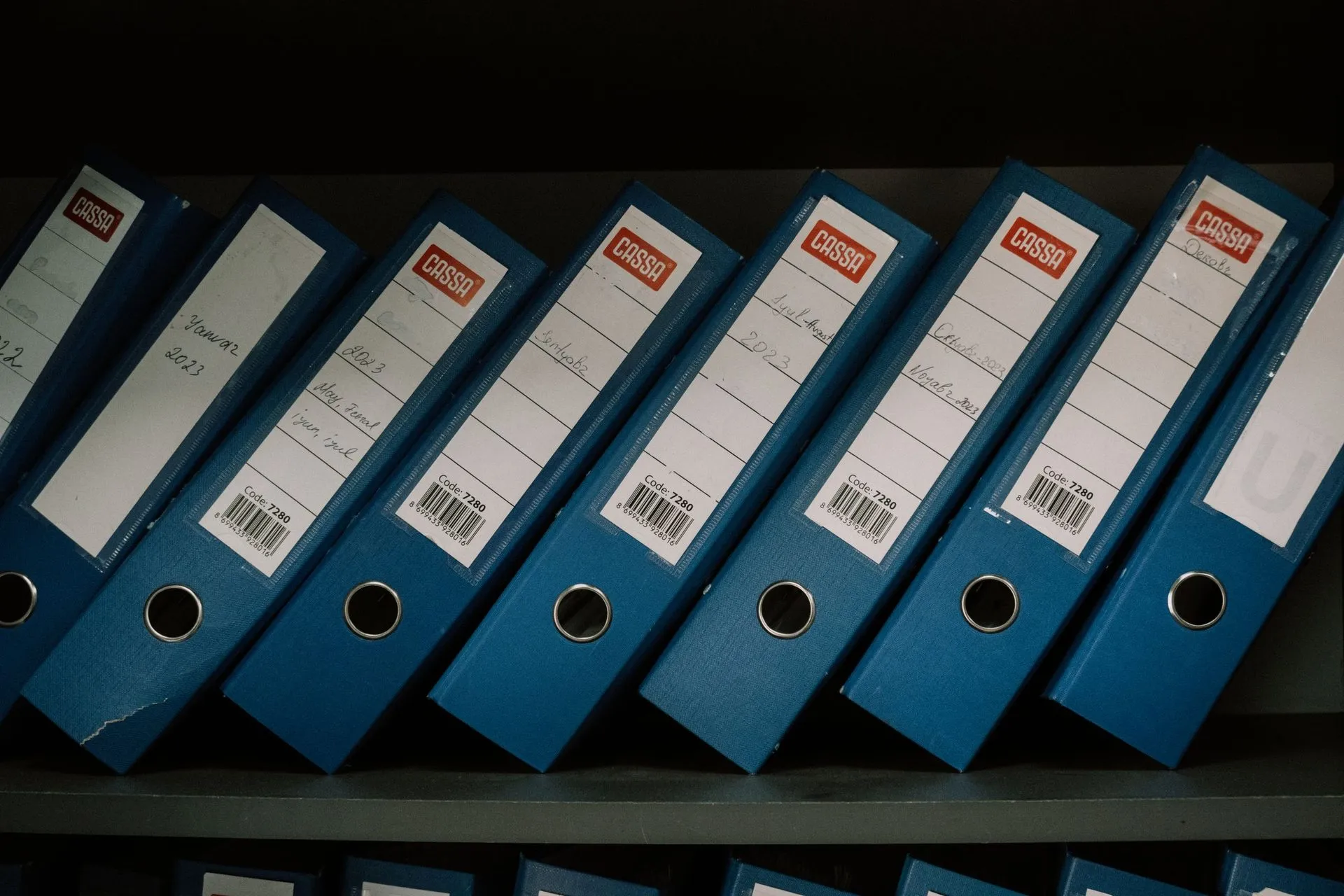
A row of labelled ring binders on a shelf

The record · cl. 26 and 27

Every document finds its place.

Search a document by what it says, not just its filename. Clerq can work out what each document is and suggest the folder it belongs in, and nothing moves until you confirm it, so completing the file is the default.

What happens to a document

A document with text in it is searchable by what it says rather than just its filename, and a scanned passport page can be read on request, from AI credit. Clerq can work out what each document is and suggest its folder, when you ask or as each one arrives if you switch that on, and a person confirms it. The file is complete because of how it was built, not because somebody remembered to tidy it before a review.

Code clauses
cl. 26 and 27, the client file and document security
Search
Across document contents, not only filenames
Filing
Suggested by Clerq, confirmed by a person
Analysis
Identifying a document or reading a scan draws on AI credit
IAA Code of Conduct 2014 · cl. 26

Know your file is complete before anyone asks.

Every case runs a live check of what the Code requires a client file to contain against what is actually on it. It counts the evidence that is there, not boxes someone ticked.

  • Clause 26(a)(i) to (vi) checked one by one, against the documents on the file.
  • Gaps named and counted, so you fix them while you still can.
  • The view to open before you close a matter, or the day the Authority asks.
Scanned documents being read so their contents become searchable and countable against the Code Scanned, read, counted Against clause 26(a) 9 of 11 present Counted from the documents, not ticked by hand 2 gaps named Identity evidence, signed engagement terms Scanned documents being read so their contents become searchable and countable against the Code Scanned, read, counted Against clause 26(a) 9 of 11 present Counted from the documents, not ticked by hand 2 gaps named Identity evidence, signed engagement terms

Illustrative. The practice shown is synthetic.

Clerq does not submit applications to Immigration New Zealand. It never holds your INZ or RealMe credentials. It prepares the work; a licensed adviser reviews it and submits it.

Smart about what the file is still missing.

Included means it runs on rules and comes with the free practice system. AI credit means it draws on prepaid credit.

01

It knows what’s outstanding

Included

Each file lists the documents it’s waiting on, which have arrived, and how long the rest have been outstanding. You save your own lists as templates; Clerq ships none, because deciding what an application needs is advice.

02

Originals go back with proof

Included

An original document can’t be marked as returned until you record how it went back and the evidence that it did.

03

Identified, named and given a folder

AI credit

Clerq can work out what a document is, such as a passport, payslip or police certificate, and suggest a folder and a file name for it. Nothing moves until you press File all. It draws on AI credit, and so does reading a scanned page. Run it when you choose, or switch it on for every upload.

04

A digest of a long document

AI credit

Ask for a short digest of a long document before you read it in full.

More in The record

Start with the file you are worried about.

We onboard one practice at a time, so the first conversation is a working one: your overdue dates, the documents you are still chasing, and what the system would have done about them.