It is free, and it is not a trial
The practice system costs nothing for the whole practice, every adviser. There is no trial period and no cut-down edition.


Company · Early access
Clerq is built by Clerq IP Limited, a New Zealand company, and developed in consultation with practising licensed immigration advisers. It is early-access software, and we onboard one practice at a time.
Who builds Clerq
Clerq was founded by Inder Singh, a licensed immigration adviser since 2013, and is built by Clerq IP Limited, a New Zealand company, with practising licensed immigration advisers. It was designed for one profession, in one jurisdiction, against one regulator. It is not a general practice product with an immigration skin added later, and it is not an offshore platform with a local reseller.
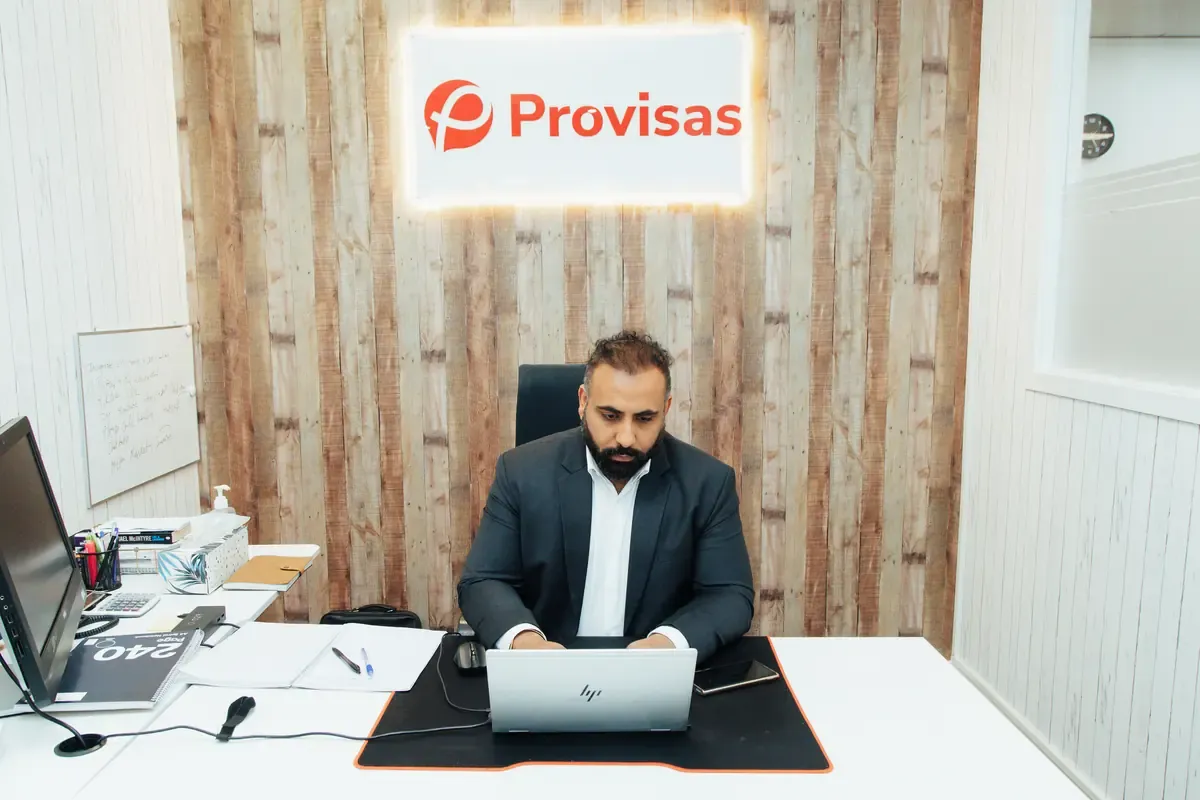
Clerq started inside a New Zealand immigration practice. We ran our files on Zoho, then moved to HubSpot. Both were built for sales teams, not for advisers working under the Code. So we kept the best of what they did well and built the rest around how a practice actually runs.
That practice is Provisas, Clerq’s founding partner, and I have been a licensed immigration adviser since 2013. Our client records sat in a CRM, our documents in a separate drive and our email in a third app, and none of them knew what the Code asks of a client file. A workflow could email a client’s details to any address it was given, and nothing checked first. An invoice was a sales document.
The first version, in May 2026, worked in text only, and I was its only user. By July it was running on servers in Auckland, with its own mail, calendar and document store. Since June we have made more than 1,300 changes to it.
Provisas has trialled it on its own files since July. Now we are opening it to other practices, one at a time.
Your files are held under your practice’s own key. Nobody at Clerq, or at the practice it came from, can read them.
The tools most practices use were built for sales teams, lawyers or accountants. Advisers told us where the file breaks: the deadline nobody owns, the passport nobody can find, the meeting that never became a file note.
Deadlines live in people’s heads
cl. 1Or in a spreadsheet somebody remembers to open. A missed PPI response, an expired medical, a lodgement window that closed on a Friday: the damage lands on a client first, and then it lands on a licence.
Documents arrive from everywhere
cl. 26WhatsApp photographs, emailed scans, a folder a client shared once. Filing them by hand is the job nobody costs, and it is where files go missing.
Compliance is a separate chore
cl. 17 to 19Engagement terms in a Word template, conflicts in somebody’s memory, CPD in a folder. All of it real work, none of it on the file it belongs to.
The Code is the product
01Engagement terms, conflicts, custody of originals, complaints, CPD and supervision are not modules bolted onto a generic CRM. They are why Clerq exists, and they are free, because compliance should not be the paid tier.
AI drafts. A licensed adviser decides.
02Every AI output in Clerq is a draft behind a review gate: file notes, letters, replies. Nothing reaches a client or Immigration New Zealand because software decided it should. Your licence stays in your hands.
Your file is your file
03Stored in New Zealand, never used to train anything, exportable whenever you like. On leaving, you export the whole record and your data is deleted, on a timetable the contract sets rather than at our discretion. Every company that can touch your data is published by name.
The software is live, and we are deliberately going slowly. One practice is onboarded at a time, which is a constraint on us rather than a queue for you.
The practice system costs nothing for the whole practice, every adviser. There is no trial period and no cut-down edition.
A real reply within one New Zealand business day, from the people writing the software rather than from a sequence.
What exists today is described as existing. What is coming is described as coming. You should not have to work out which is which from a feature list.
Export at any time. Your obligation to keep a client file for seven years under clause 26(e) outlives any software decision you make, so the export has to work.
Clause 1 and clause 31 of the Code land on the adviser personally, and no system can take that on. Anything that moved the decision into software would be moving your licence into software with it.
Clerq never submits an application to Immigration New Zealand. It prepares the work and a licensed adviser lodges it.
No INZ or RealMe login is stored, connected or used on your behalf. You sign in as yourself.
Advice is what a licensed adviser is licensed to do. The software drafts, records and reminds.
We onboard one practice at a time, so the first conversation is a working one: your overdue dates, the documents you are still chasing, and what the system would have done about them.